
There is something about whiskey and fall that feels like a natural pairing.
The temperature drops. The leaves start to change. Fireplaces and backyard fire pits make their return. Suddenly, flavors like caramel, vanilla, cinnamon, maple, toasted oak, and baking spice are everywhere.
Those also happen to be some of the flavors commonly found in bourbon and rye whiskey.
But is there actually a reason whiskey seems to taste better when the weather gets cooler?
The answer is a little more interesting than simply “whiskey warms you up.” Temperature, aroma, dilution, barrel aging, seasonal foods, and even your surroundings can all influence the way you perceive a glass of whiskey.
Here is a closer look at the science behind why your favorite pour may seem especially good in the fall.
Does Whiskey Actually Taste Better in Cooler Weather?
Technically, the whiskey in your bottle does not change just because October arrives.
What can change is how you experience it.
Flavor is a combination of taste, aroma, texture, temperature, and even environmental context. Whiskey contains numerous volatile aroma compounds, and the way those compounds reach your nose contributes significantly to what you perceive as flavor.
That means the temperature of the whiskey, the glass you use, whether you add water or ice, and even what you are eating alongside it can influence the experience.
So while fall weather doesn’t magically alter the whiskey, it can create conditions and flavor associations that make a pour particularly enjoyable.
Why Aroma Matters So Much When Drinking Whiskey
Before you even take a sip, your nose is already doing a lot of the work.
Much of what we describe as “flavor” is connected to aroma. That’s why whiskey drinkers often nose a glass before tasting it.
Whiskey contains volatile compounds that create aromas ranging from fruit and flowers to vanilla, caramel, spice, oak, and smoke. Research into whisky aroma has demonstrated that changes to the liquid, including dilution, can alter both its volatile composition and how drinkers perceive its aroma. PubMed Central (PMC)
This is also why you may notice something new every time you return to a favorite bottle.
One night, caramel might jump out immediately. Another time, you might notice oak, vanilla, dark fruit, or spice first.
Does temperature affect whiskey’s aroma?
Yes. Temperature can influence how aromatic compounds behave and, therefore, how we perceive a drink.
Very cold temperatures can suppress some aromas. As a whiskey warms, more of its aromatic character may become noticeable.
That’s part of the reason whiskey poured over ice can seem different after sitting for several minutes. Two things are happening at once: the whiskey is changing temperature and the melting ice is gradually diluting it.
Neither experience is necessarily better.
They’re simply different ways to experience the same whiskey.
Why Whiskey Flavors Feel Made for Fall
Now think about the flavors and aromas associated with fall:
- Caramel
- Vanilla
- Maple
- Cinnamon
- Nutmeg
- Toasted nuts
- Brown sugar
- Apple
- Oak
- Smoke
- Baking spices
- Dark chocolate
You could just as easily be describing a fall dessert as a glass of American whiskey.
That overlap is a major reason bourbon and rye feel so at home during cooler months.
Take Belfour Small Batch Bourbon, for example. Its tasting profile includes brown sugar, maple syrup, caramel, toasted oak, soft vanilla, charred oak, toasted marshmallow, and gentle spice. Belfour Spirits
Explore Belfour Small Batch Bourbon
Those aren’t artificial fall flavors added to create a seasonal whiskey. Many of whiskey’s characteristic flavors develop through the ingredients, fermentation, distillation, maturation, and interaction between the spirit and its barrel.
What Does the Barrel Have to Do With Whiskey Flavor?
A lot.
Barrel maturation is one of the most important parts of creating American whiskey.
As whiskey rests in oak, the spirit interacts with the wood. Toasting and charring barrels changes the wood itself and helps create or release compounds that contribute aroma, color, and flavor.
That’s where many of the warm characteristics we associate with aged whiskey can emerge.
Vanilla. Caramel. Toast. Spice. Oak.
It’s also one of the reasons two whiskeys made from similar grains can taste remarkably different.
The barrel matters.
How it was toasted matters.
How it was charred matters.
How long the spirit interacted with that wood matters.
And how the producer selects and blends those barrels matters.
Belfour takes that experimentation seriously. As we discussed in our guide to what “small batch” means in whiskey, Belfour’s craft Small Batch program gives Ed Belfour and the team room to experiment with mash bills, barrel toasting, charring, barrel selection, and blending. Belfour Spirits
Read: What Does Small Batch Mean in Whiskey?
Bourbon and Rye Bring Different Fall Flavors to the Glass
Not every whiskey delivers the same autumn experience.
Bourbon and rye begin with different grain requirements, and the resulting whiskeys can offer very different flavor profiles.
Belfour Small Batch Bourbon leans into some of those rich, dessert-like fall notes with maple, brown sugar, caramel, vanilla, toasted oak, and gentle spice. Belfour Spirits
Belfour Small Batch Straight Rye goes in another direction. Its profile includes green apple danish, cinnamon, nutmeg, black pepper, toffee, tobacco, dark roast coffee, white pepper, and dark chocolate. Belfour Spirits
Apple, cinnamon, nutmeg and dark chocolate?
That sounds a whole lot like fall to us.
Explore Belfour Small Batch Straight Rye Whiskey
Does Adding Water Make Whiskey Taste Different?
Yes, and this is where whiskey gets particularly interesting.
You’ve probably heard someone say that adding a few drops of water “opens up” a whiskey.
There is some science behind the idea that dilution changes what you’re experiencing.
A published sensory and volatile-composition analysis found that dilution altered whisky aroma and sensory perception. The researchers also found that greater levels of dilution could reduce some of the sensory differences within whisky styles. PubMed Central (PMC)
That doesn’t mean there is a scientifically perfect amount of water you should add.
Your palate still gets the final vote.
Try your whiskey neat first. Take a small sip. Then add a few drops of water, wait a moment, and taste it again.
You might notice something completely different.
Does the Whiskey Glass Matter?
It can.
A glass isn’t going to change the actual liquid, but its shape can influence the way aromas reach your nose.
A tulip-shaped whiskey tasting glass, for example, gives the whiskey room to breathe while narrowing toward the top. A traditional rocks glass has a much wider opening and allows aromas to disperse differently.
We recently explored this in our guide to choosing the best glass for whiskey, including tasting glasses, rocks glasses, highballs, and even wine glasses. Belfour Spirits
Read: Does the Whiskey Glass Really Matter?
For a cool fall evening, try pouring the same whiskey into two different glasses and comparing them side by side.
You may be surprised by what you notice.
Why Your Surroundings Can Change the Whiskey Experience
There’s another piece of the puzzle that has nothing to do with what’s happening inside the bottle.
Context matters.
Imagine drinking the exact same whiskey in two places.
In the first, you’re outside on a hot July afternoon.
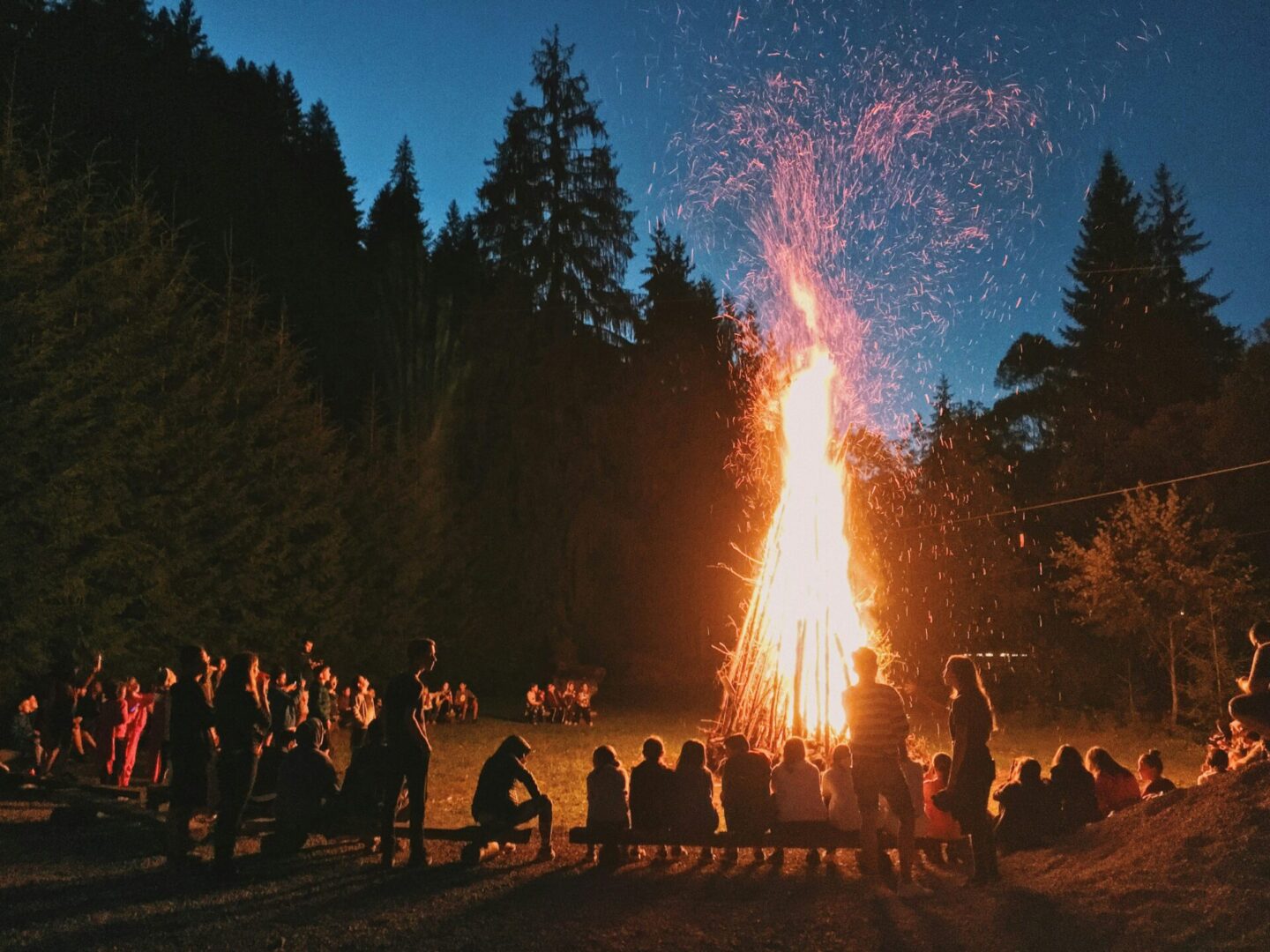
In the second, you’re sitting around a fire on a 50-degree October evening while leaves crunch underfoot and something is cooking nearby.
The chemical makeup of the whiskey hasn’t suddenly changed.
But your overall sensory experience has.
Smell, temperature, food, surroundings, expectations, and memory all contribute to how we experience flavor. That’s part of what makes whiskey so interesting. A great bottle isn’t experienced in a laboratory. It’s experienced in real life.
And fall happens to provide a pretty great backdrop.
What’s the Best Way to Drink Whiskey in the Fall?
The same way we recommend drinking it all year:
However you enjoy it.
There is no need to turn drinking whiskey into a rulebook.
Drink it neat if you want the whiskey on its own.
Add a few drops of water and see what happens.
Pour it over a large cube and experience how it evolves as the ice melts.
Make an Old Fashioned.
Pour a rye cocktail.
Pair your bourbon with a fall meal.
Or gather a few friends and compare several expressions side by side.
If you’re tasting Belfour for the first time, the Belfour Spirits 200mL Trio includes Small Batch Straight Bourbon Whiskey, Rye Whiskey, and Pecan Wood Finished Bourbon, making it an easy way to compare three different styles in one tasting. Belfour Spirits
Explore the Belfour 200mL Trio
How Should You Store Whiskey During Temperature Changes?
One important distinction: cooler fall weather can make whiskey enjoyable, but that doesn’t mean your bottles should experience dramatic temperature changes.
For storage, consistency is preferable.
Keep bottles upright, properly sealed, and away from direct sunlight and excessive heat. A normal climate-controlled room is generally sufficient. You also don’t need to refrigerate whiskey. Belfour Spirits
If you have bottles you’re saving for later, our complete whiskey storage guide covers what happens after a bottle is opened and how to help preserve its flavor.
Read: Does Whiskey Go Bad? How to Store an Open Bottle of Whiskey
Frequently Asked Questions About Whiskey and Cooler Weather
Does whiskey really taste better in cold weather?
The whiskey itself doesn’t fundamentally change because the outdoor temperature drops. However, serving temperature, aroma, food, surroundings, and seasonal flavor associations can all influence how you perceive a whiskey. That can make bourbon and rye feel particularly well suited to fall and winter.
Should whiskey be served cold or at room temperature?
There isn’t one correct serving temperature for everyone. Serving whiskey closer to room temperature generally allows you to experience more of its aroma, while chilling whiskey can suppress some aromas and change the drinking experience. Try both and decide which you prefer.
Does ice change the taste of whiskey?
Yes. Ice both cools and gradually dilutes whiskey, which can alter its aroma, intensity, texture, and flavor perception.
Does adding water to whiskey bring out flavor?
Adding a small amount of water changes the whiskey’s alcohol concentration and can alter the aroma compounds you perceive. Research has shown measurable sensory changes as whisky is diluted. PubMed Central (PMC)
What whiskey flavors are best for fall?
Whiskeys featuring notes such as caramel, vanilla, maple, apple, cinnamon, nutmeg, toasted oak, brown sugar, dark chocolate, and baking spice naturally complement many of the foods and aromas associated with fall.
Is bourbon or rye better for fall?
Both work beautifully. Bourbon often features sweeter characteristics such as caramel, vanilla, and brown sugar, while rye can bring additional spice and pepper characteristics. Ultimately, it comes down to your palate.
Pour Something Worth Slowing Down For
Maybe whiskey doesn’t literally know that fall has arrived.
But your senses certainly do.
Cooler temperatures, seasonal foods, woodsmoke, changing leaves, and the return of flavors like apple, cinnamon, caramel, maple, and baking spice create an environment that seems tailor-made for a glass of whiskey.
And that’s part of the fun.
Whiskey doesn’t have to taste exactly the same every time you pour it. Change the glass. Add a little water. Try it neat. Pair it with food. Compare bourbon and rye. Pay attention to the aromas you didn’t notice last time.
You might discover something completely new in a bottle you already know.
This fall, pour your favorite Belfour whiskey, give it a few minutes in the glass, and see what you find.